Wednesday, July 19, 2023

Summer studio time

I am pretty unhappy in summers because it's too hot, humid, bright, and the neighbors really like to mow frequently, which makes me look like a slob. BUT I have figured out a nice slow way to work that keeps me feeling less terrible about low productivity. My friend gave me coreopsis transplants last year that flowered this year.
This isn't my first batch but my first batch was maybe 14 blossoms? And they gave such incredible color that I kept going back for more, because as soon as I deadhead, the blooms come right back.
I think this was the first batch. I've since learned that the dye is very soluble so that it requires very little cooking, a big plus in hot weather.
That is not the first batch but you can see the bath already pretty potent.
This was my second round of dyeing, and I can tell because I had done the first dyebath as a shoving a ball of hanji into the dye because I didn't have a big place to spread out flat and brush on. Then I took it to the studio to start to mordant with alum. It brought the color out dramatically.
So every day I just do one round (one or two days I managed two but I don't push myself to do that): either a dye round, or a mordant round. Most batches (and these are batches of TWO sheets at a time, since I don't have enough flat space and didn't feel like laying plastic out on the floor) were dye/mordant/dye but one batch I went dye/mordant/dye/mordant/dye.
This was a scrap of a different type of hanji (different mill, different location in Korea, different papermaker), and I have no idea why the dye took in this weird uneven blush-y way, but you can see the mordant is going down starting at the right side.
This was an extra productive day because I dyed and also made bark lace.
And then started to cord some of the dyed paper, but not all of it.
I cooked for a friend on July 4 and didn't want to do my work so instead I sewed these pants out of a gift from a friend years and years ago when she used to live in the Philippines (though an anthropologist recently said it was Indonesian. I have no idea and I hope it wasn't bad spiritually for me to cut up a wrap to make pants).
One day a box arrived on the front stoop that I was not expecting. But once I opened it, surprise! The "encyclopedia of inspiration" published by Uppercase has been printed and my copies arrived.


It's generous to us all, giving a bunch of splashy spreads, and it seems they got a competent writer to make sense of all of our writing that was requested last fall!
Back in the studio, I experimented by dragging in my papermaking equipment to the beater room so that I could feel a little more at ease with a readily accessible drain. I didn't really need it but I also did design the room to be big enough to make paper if I wanted to inside of it. Something about the room makes me feel safe, more contained.
I beat up a bunch of Rives BFK scraps with a touch of premium abaca. Weirdly, the beater did not leak where I expected it to, but it did start to spurt out the back end again, so I was so glad I still have my beater lid handy. After adding sizing and then retention aid to the load in the beater with plenty of time to brush it, I took it out into three buckets and threw in burnt umber pigment I got from windmills near Amsterdam.
I used Velma's recipe for dry pigments and it worked! Then I tried to take it easy and only made a third of the batch each day instead of attempting to beat and pull the whole load in one day.
These are the sorted sheets in progress, before I'm done with the batch. You can see I am still having issues with my mini-split (remote is off the wall to remind me to tweak, manuals are on the chair). The HVAC "professionals" who installed the units I think didn't do them right because they leak. I think this is a pretty easy thing to do right and yet easier to do wrong, and here I am with lots of water dripping into a vat weighed with an old gym weight on the windowsill.
Abby from Oberlin came out to record sounds in my studio after I recorded an interview with her on campus two days prior. I had soaked these hanji scraps to run in the beater and guess what? It shorted again or whatever, where it wouldn't turn on. So clearly I need to do something with the switch/motor connection or replace both. I can't deal with any of it now. When I ran this load, it started to leak again in the likely spots and I still have to sort out a way to catch the leaks safely. Also, I finally discovered the original source of the rust bits: the bedplate! Which I DID not epoxy/seal, which was so dumb because I had so much time to do that if I had not been so ignorant. At least I know, but I don't feel like taking the underside apart again to take it out. For now....all I can say is that I do not make archival paper out of this beater!!
But the marigolds that have been in my freezer for up to 9 years have been giving me lots of cheer! I am so impressed. They work well. All I'd say is, the blossoms lose their moisture, so you want to cook with probably twice the water you would with fresh ones, it just gets sucked up into the flowers.

Next week is another annual hanji retreat! The biggest class yet, and the most mixed group, so it will be another big adventure. I also have tons of work I've been avoiding and to do that, I spent hours yesterday making samosas from scratch (the dough as well). Time to fry them up and deliver them as a belated birthday gift!

Rag & Pulp encyclopedia

Velma's recipe for dry pigment in papermaking is in the Paper and Colour book.

NYC was a month ago

I am still struggling with how I want to blog, even though I know it changes all the time. I had intentionally scaled way back but then found it stressful when I had been away for so long because now I'm going to do a big dump of stuff in multiple posts. Not a great method, to feel stressed about not doing something for a while but thinking about it all the time, when I could have been doing it all along. OR, someday I will cultivate not doing it while not feeling stressed about it! Here is a duck family at Penn State.
Because Vagner lives right about halfway between my home and my family, it's a great way to break up the drive. I love visiting the arboretum with him and we can fantasize about all the things we could also do with our gardens if we had giant budgets and staff like this place does.
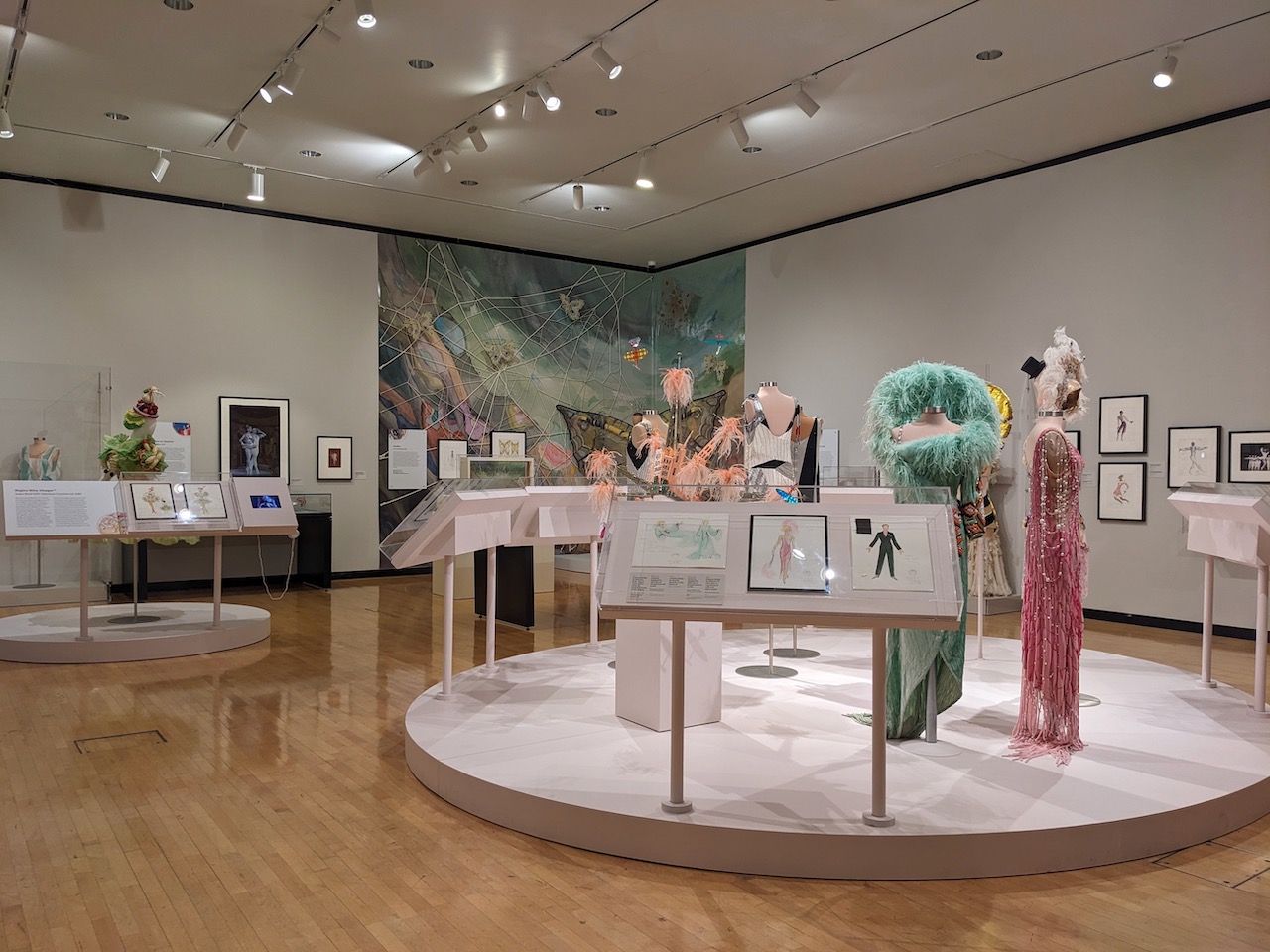
I went to NYC a month ago to shoot my new artwork and check in on my family, so that was all a success, albeit stressful (which is extremely normal). I gave myself ONE day for myself, which meant checking in with my dear friend Barbara who is always so good about making time and meeting me in a location convenient to me. Before I saw her on a rainy day, I went to the Willa Kim show at the performing arts branch of the NY Public Library. It was great!
Willa Kim was a costume designer for theatre, dance, and so on. She had a huge, long career with lots of successes and I had never heard of her. The show was full of drawings, videos, models for set design, recreations of both stage and studio, photos, documents, and of course, costumes.


This is for a vinegar commercial that played during the Super Bowl in 1989!
And this was a note she made on a script to correct a mistake about when zippers were actually incorporated into clothing. The videos have interviews with her as well as stage productions, and she said in one that she wants people to know that she was the first to use Lycra in costumes, which was a big deal. And another was her in advanced age talking about when she was young, being disparaged by more senior folks. She never forgot the hurt and also never lost the drive to prove herself. While I don't agree that great art only comes from great suffering, I was so glad to spend time with the work of an incredibly talented and prolific Korean American artist.
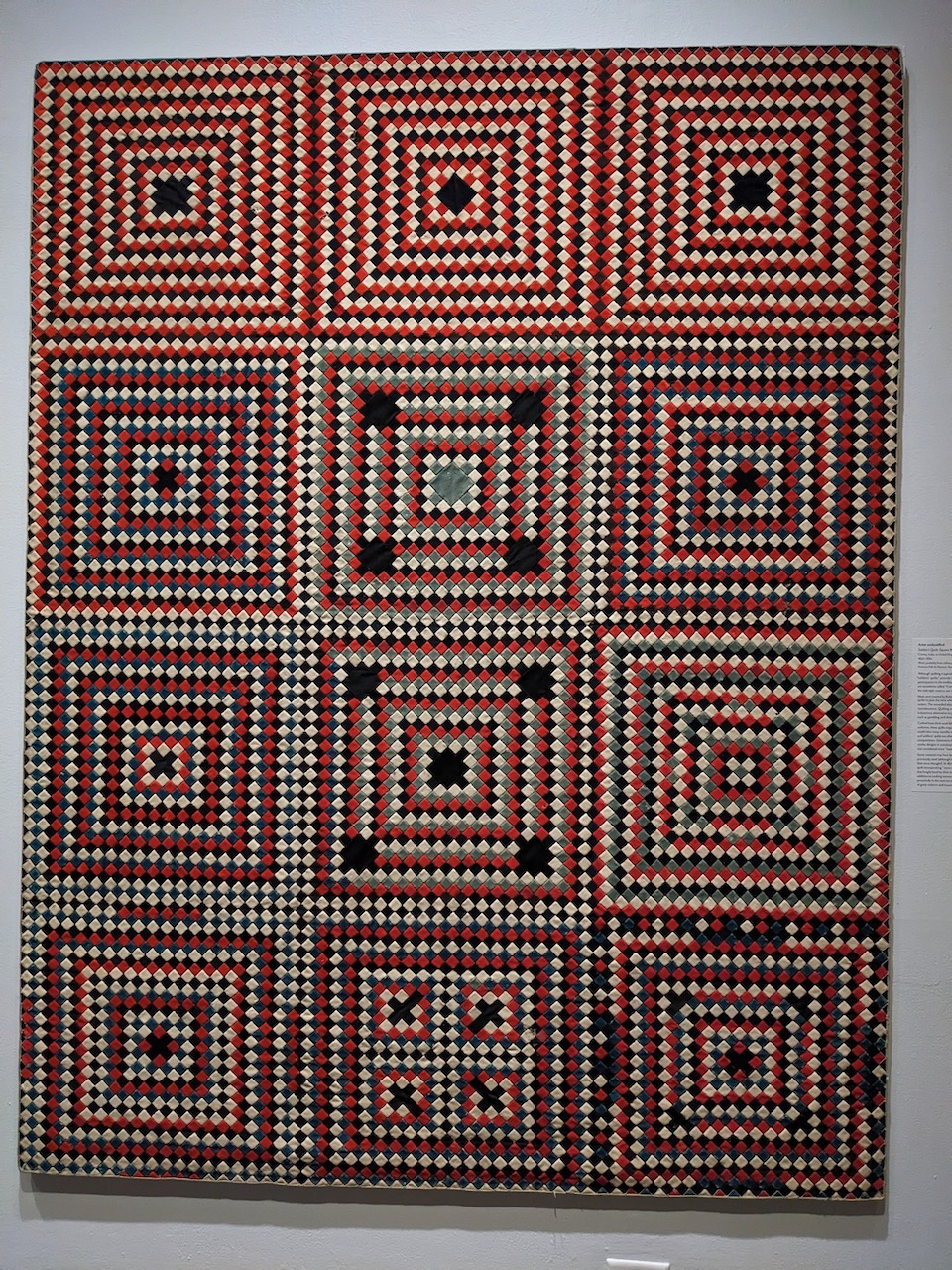
Then I ran across the way to the folk art museum and was SO delighted by the quilt show. I had been underwhelmed by their offerings since they moved but this one is great.


I know, I have given no context, and that's where I give up and try not to feel guilty: I am too committed to other things to go thru and give all the info. Which is why you should go see the show, so you can see a quilt that looks like a Puerto Rican flag, made of condoms tied together!

Vagner Mendonça Whitehead

Willa Kim exhibit (thru Aug 19)

Folk art museum quilt exhibit (thru Oct 29)

Thursday, June 22, 2023

Hanji hanbok now and then

Since getting home this week, I've been in the studio every day sorting out how to hang my new art because it's the only place they will all fit. But the ceilings are high (13 ft or so) and the ladder is tall and heavy and I still have a bum hip, so each day I do a little, like these three, and then pack it in. But to do that requires a lot more than you'd imagine.

When I first made hanbok out of hanji (was it 8 years ago? Maybe less? I can't remember), it was also not easy to store. But they've exhibited a lot, which is great. I avoided making bigger ones until now because it's always a storage issue. Small dresses are an easy sale but the big ones are not. One of the earlier hanbok the same size as the black and white ones here, is in an exhibit at the Minnesota Center for Book Arts (right now they are in the middle of an opening).

There was a nice write up about the show and my work is featured. Grateful!

A private collector loaned another dress, Indigenous, to the show. And in relation to the original keepers of this land, thank goodness ICWA was not overturned.

Friday, June 16, 2023

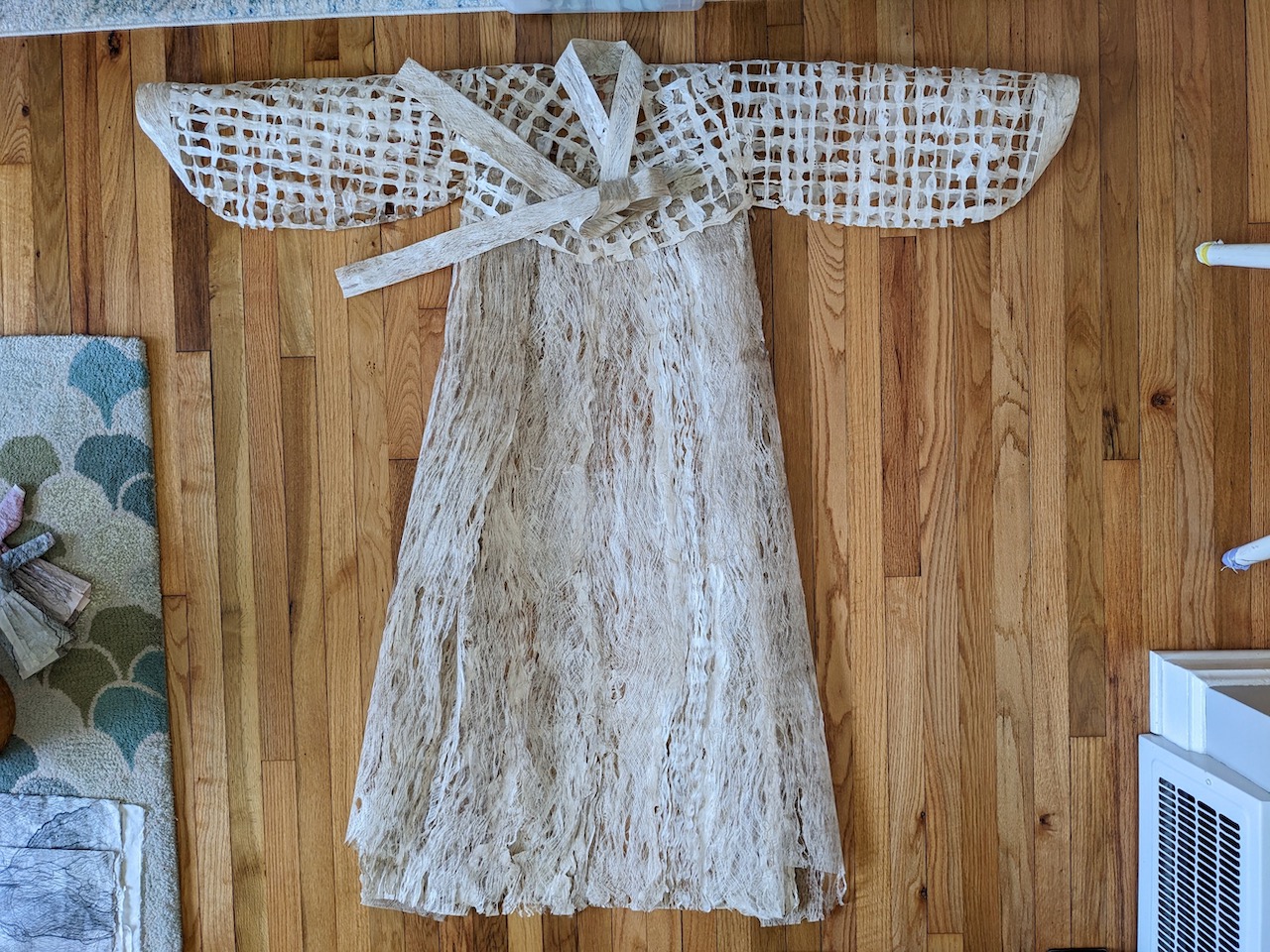
Bark bark bark dress

This project took almost a year even though the vision came very quickly and I knew exactly how I wanted it to look last May. Now it's June of the following year and while I get frustrated by how long things take (not at all because of the actual making, simply from life demands and poor prioritizing of my time), I'm grateful to finally be done. Last year in July, Michelle helped me lace bark onto my table since I needed two of us working simultaneously to make sure nothing dried too quickly. Essentially, I had to lace out and hammer together bark to make panels big enough for the body of the garment (then not get around to it until the following spring).

You saw this in the post about printing these pattern pieces. The easiest part is cutting the pieces. Seaming them sucks because there's not enough material to run it through a sewing machine. But the joy of making paper and bark garments (for art! Not wearing) is the option of glue.
I used PVA for this process and had to score all of the seam allowances and fold over each bit to the right direction, and then glue each bit to the other side, and hope there was a place for it to land. Easy to press in the early stages and not as the garment grows. I chose laced bark for the collar to contrast with the gridded bark of the jacket (jeogori in Korean).
One arm on, with more laced bark for the cuff. Of course, turning pieces inside out is NOT an option.
Second arm on. Then, major problem solving because I didn't have enough of the initial gridded bark panel for all pieces of the jacket. So I used a different panel that I made at a different time with a different batch of paper mulberry bark (all Thai kozo). There is a reason you should work with uniform batches whenever possible. It looked thinner and browner, so I took offcuts of the original grid to glue over the second arm to visually match the other arm. But it wasn't enough to go everywhere, only the most obvious sections, like an optical illusion.
Last bit of the jeogori is the goreum: the ties. Right now they are not attached. Since they are doubled-over laced bark, they are sturdy and I saw no safe way to attach this to the lighter-weight grid. I did make the knot after gluing so that they would dry almost sculpted into place. Then I put it aside to deal with at the end.
Once the top was done, I took a break because I did not want to face the difficulty of the skirt, and dove into finishing more pieces. The very top is the pressure printed version of the bark, the one below that is the ghost print from the pressure printed plates. The third is a mashup of many, many pieces of hanji that were printed from direct inked bark lace. Of course I finished ALL of those skirts before I could even think about the bark skirt, which is always how I get things done.
Then I finally had to deal wrangle the chima (skirt). I decided early not use the grid (to the left) and only use straight bark lace.
How to navigate turning rectangular bark panels into a believable skirt that matches the top?
I made deep darts at the very sides (in retrospect they would have looked better as true darts closer to the center, but dealing with these large panels that have their own material qualities made me take the safer route. If I ever do it again—please don't make me do it again—I can test other methods) in both the back and front panels. This for sure would not work as the traditional pleated wrap-around skirt, and would have required at two to three times as much width. One panel can take five hours of lacing out, depending on how well cooked the fiber is, the look you want, and how the tree decides to have its way with you.
Since I wasn't sewing these, more glue and more weights. Working on the floor was not great for my hip issues but I'm so used to constructing my garments at home and not the studio.
To the right is the waistband piece that will connect the front and back panels.
After I glued the front and back together (what a job! I am so averse to washing glue brushes, and there were so many open gaps, that I squeezed and smeared PVA on waste paper with my fingers and transferred to lace. My hands were covered in glue the whole time), I layered two more side panels to make it look a little less rigid and increase the angling out of the skirt.
The non-photographed process include the straps for the skirt, which required hand basting and then serious wrangling with the sewing machine to sew the first end of each strap. Also, I had to hand sew tiny hook and eye closures for the ties. That was as unfun as I expected but the nice discovery at the end was that I could forgo an eye for the last hook because I could simply hook it onto the open grid! Which I reinforced in that location with a bit more PVA and extra bark.

Also not photographed: the process of getting all of this art from my house to my car to New York and then the very sweaty process of shooting it. I do not want to think about what my life would be like without such a skilled and reliable photographer, and one who is kind enough help at the vehicle with unloading (and later loading), while working without A/C because it would blow all the art around.
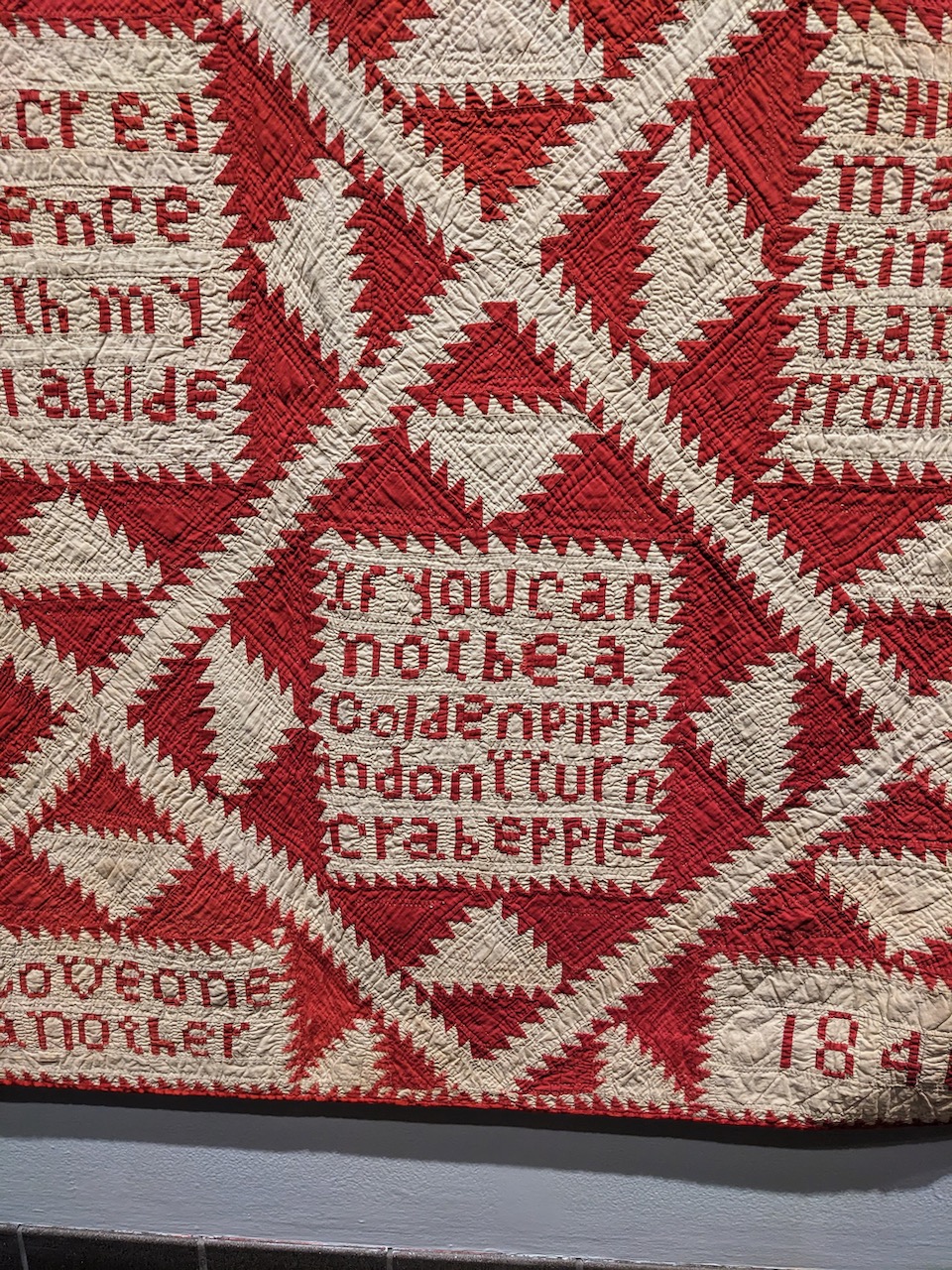
In this detail you can see a bit of the straps showing through the jacket. Not excited to figure out the best way to hang this for studio visits/storage but very happy that I managed to finish twelve new pieces and get them shot. Always grateful for successful road trips and the flexibility to be able to squeeze them in.

Pressure printing bark lace and grid pattern pieces

The best photographer an artist could ask for: Stefan Hagen

New dress images at the top of the page!